
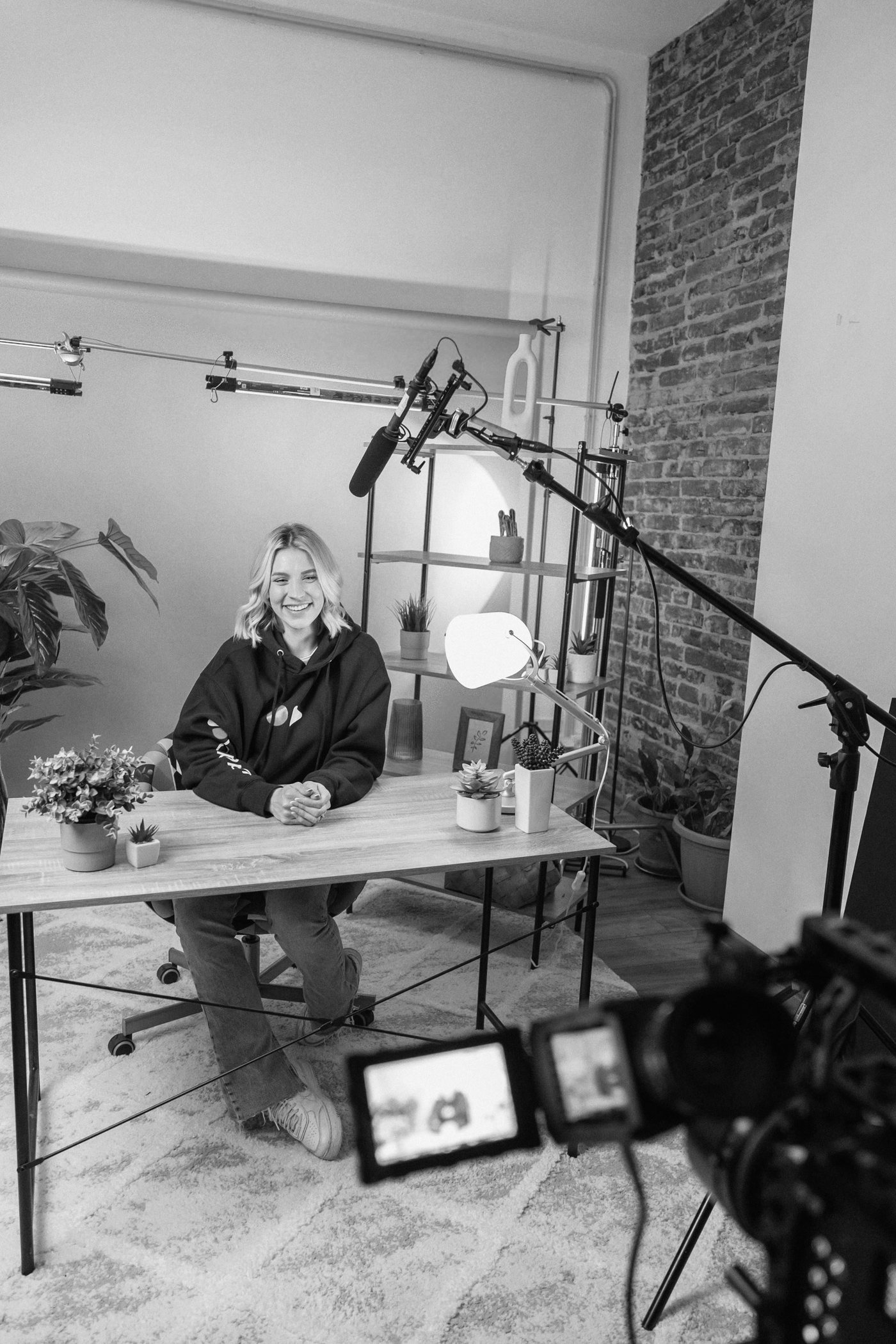
Getting clients as a videographer isn't the same problem as getting clients as a photographer. The projects are larger, the sales cycles are longer, and most clients have no idea what good video costs until you tell them.
That asymmetry works against you if you don't know how to navigate it. This is a field guide for navigating it.
A restaurant owner doesn't want a "60-second brand video." They want people to feel what it's like to eat there.
Start with the problem, not the deliverable
The first thing most videographers do when talking to a potential client: describe what they do. The shots, the equipment, the turnaround.
The first thing a client actually cares about: what they need solved.
A restaurant owner doesn't want a "60-second brand video." They want people to feel what it's like to eat there before they make a reservation. A local nonprofit doesn't want a "gala highlight reel." They want their donors to feel the impact of what they funded.
The videographers who land the most work are the ones who can speak both languages — who listen to what the client is trying to accomplish and then translate that into what they'll actually deliver. This starts in how you introduce yourself, runs through every proposal you write, and shapes how you frame your portfolio.
Ask before you pitch. "What are you trying to communicate, and to whom?" That one question will tell you more than any discovery form.
Build a reel that does one job well
Your reel is not a highlight tape. It's not everything you've ever shot cut to a song. It's an argument — a short, focused argument that you're the right videographer for a specific kind of work.
Run time: 60–90 seconds. Clients are busy and they're watching on a phone. Get to the strongest material in the first ten seconds. If you don't have their attention by then, the rest doesn't matter.
One throughline. A commercial reel and a documentary reel are two different reels. If you're trying to win commercial clients, your reel should look like commercial work, feel like it, and make a client think "yes, this person understands brand." Mixing in a wedding montage muddles the argument.
Show the variety of what you can do within the niche — not variety for its own sake. Clients want to see you can handle the range of a real project. Motion, interviews, product, location — but all pointing in the same direction.
Update it every six months. Old work that doesn't represent where you are now is actively hurting you.
Get local before you go broad
The cheapest, fastest path to clients for most videographers is the market they're already in.
In a state like Rhode Island, the market is small enough that a handful of well-placed relationships change your trajectory. A VP at a Providence company who likes your work will hire you again, refer you to a colleague, and mention you at an event. That network compounds in a small market faster than anywhere else.
What builds those relationships:
- Shoot for local brands you genuinely admire, even at a rate that feels low, if it means getting the right work in your reel. One strong local credit opens more doors than ten generic corporate pieces.
- Show up at local business events, creative meetups, Providence Chamber events. Not to collect cards — to be a recognizable person in the room. It takes time but it works.
- Reach out directly to businesses whose content you've noticed could be better. A specific, thoughtful note about what they're missing is more valuable than any cold pitch template.
The local video market is often thinner and less competitive than people expect — because most videographers are fishing in the same national waters (Upwork, LinkedIn, video job boards) instead of building in their own city.
Most video work isn't posted on job boards. It comes from trust built over time, not from showing up at the right moment on the right platform.
Understand where video work actually comes from
Most video work isn't posted on job boards. It comes from:
Marketing directors and brand managers who have a content budget and are building a trusted vendor roster. Getting on that roster is the goal — one good project can mean years of repeat work.
Agency creative teams who need production support and aren't always staffed to produce in-house. Agencies are a B2B relationship worth building: one agency relationship can route you multiple clients.
Event teams and event planners who need coverage, recap videos, and sizzle reels as part of their standard offering.
Other creatives. A commercial photographer who gets a video request refers it to someone they trust. A graphic designer who rebrands a business often leads the client to a videographer for launch content. These aren't leads you find — they're relationships you build.
The pattern across all of these: the work comes from trust built over time, not from showing up at the right moment on the right platform. Which means your job right now is building that trust, even when you don't have an immediate project to close.
Price like the job is worth doing
Videography has a pricing problem. The floor is so low — because the tools are more accessible than ever — that clients often come in with expectations that reflect the cheapest option, not the best one.
The way out of that isn't to compete on price. It's to compete on value — and to be specific about what that value is.
When you're in a proposal conversation, don't just quote a number. Help the client understand what goes into the work: pre-production, shoot day, edit rounds, color grade, sound mix, revisions. When a client sees the full scope, the number makes sense in a way it doesn't when it's just a line item.
Scope your projects tightly and in writing. Scope creep is the most common way a videography project loses money. Every "can we just add one more thing" is a budget conversation unless you've established it upfront.
And raise your rates as your work improves. The market will tell you when you've gone too far. Until then, the mistake most videographers make is raising too slowly — staying at a rate calibrated to two years ago because changing it feels uncomfortable.
Use platforms where the right clients look
There are more options than there used to be for videographers to get discovered, and they're not all built the same way.
Platforms that take 20% of every project are building their margin on your work. That's a structural problem worth understanding — the more you rely on them, the more your rates effectively get cut every time you book.
There are newer options built differently. LaunchPad is a creative marketplace where videographers can get booked directly by clients, without a commission on the work. It's in closed beta in Rhode Island right now, and it's designed specifically for the kind of creative professional — photographer, videographer, editor — who's been underserved by the gig economy.
Worth knowing the alternatives exist before defaulting to the platforms that take the cut.
The videographers who always have work aren't the ones with the biggest reel. They're the ones clients want to work with again.
The compounding advantage
The videographers who always have work aren't the ones with the biggest reel or the most Instagram followers. They're the ones clients want to work with again.
That comes from the same place as the work itself: showing up prepared, communicating clearly, delivering what you promised on the timeline you gave. It's not glamorous. It's what separates a booked calendar from a good portfolio that nobody calls.
Every client who trusts you enough to book a second project is also a reference for the next one. Treat the relationship accordingly.
The question isn't where the clients are. The question is whether, when they find you, they're looking at someone who makes the decision easy.
// Join the Beta
LaunchPad is building the platform
videographers actually want.
A creative marketplace where you get booked by clients directly — no commission, no cut, no platform taking 20% of your craft. Closed beta in Rhode Island. Waitlist is open.
Get Early Access →